Lohri is more than just a festival—it is an emotion that marks joy, gratitude, and togetherness. Celebrated mainly in North India, especially in Punjab, Haryana, and the Delhi-NCR region, the Lohri festival marks the arrival of longer days, fresh harvests, and renewed hope. As winter slowly fades away, Lohri brings warmth not only through bonfires but also through hearts.
What Is Lohri and Why Is It Celebrated?
Lohri is traditionally celebrated on 13th January every year and is deeply connected to agriculture. Farmers celebrate the harvesting of rabi crops, especially sugarcane and wheat, while families thank nature for abundance and prosperity.
Moreover, Lohri holds special importance for:
Newly married couples
Families welcoming a newborn
Communities celebrating growth and success
As a result, Lohri has become a symbol of new beginnings and positivity.
Significance of Lohri Festival in Indian Culture
The cultural significance of Lohri lies in its deep connection with nature and community bonding. People gather around a sacred bonfire, offer til (sesame seeds), jaggery, peanuts, and popcorn, and pray for prosperity.
Additionally, Lohri reflects:
Gratitude towards the Sun God
Celebration of hard work by farmers
Unity and social harmony
In other words, Lohri reminds us to pause, appreciate life, and celebrate progress together.
Traditional Lohri Celebrations and Rituals
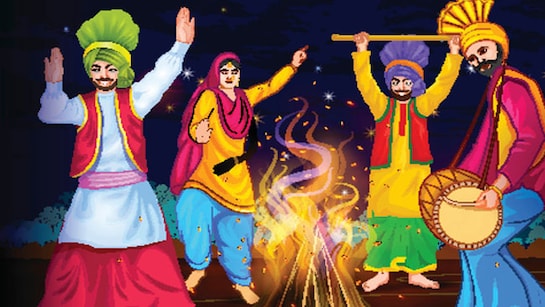
On Lohri evening, homes and neighborhoods come alive with energy. People wear traditional attire, sing folk songs, and perform Bhangra and Gidda around the fire.
Common Lohri rituals include:
Lighting the Lohri bonfire
Offering seasonal produce to the fire
Singing traditional Lohri songs
Sharing prasad like revri, gajak, and peanuts
Meanwhile, children enjoy collecting Lohri items, and elders bless the family with good fortune.
Modern Lohri Celebrations: Tradition Meets Today
While Lohri’s essence remains unchanged, the way it is celebrated has evolved. Today, Lohri celebrations extend to:
Housing societies
Corporate offices
Real estate projects and townships
Community events and cultural programs
Consequently, Lohri has also become a festival that brands and businesses use to spread warmth, gratitude, and positive messaging.
Lohri Festival and the Spirit of Togetherness
At its core, Lohri is about togetherness. Whether it’s families, neighbors, or colleagues, the festival brings people closer. In a fast-paced world, Lohri offers a moment to reconnect—with traditions, with people, and with gratitude.
Furthermore, the festival teaches us an important lesson: growth is meaningful only when shared.
Why Lohri Still Matters Today
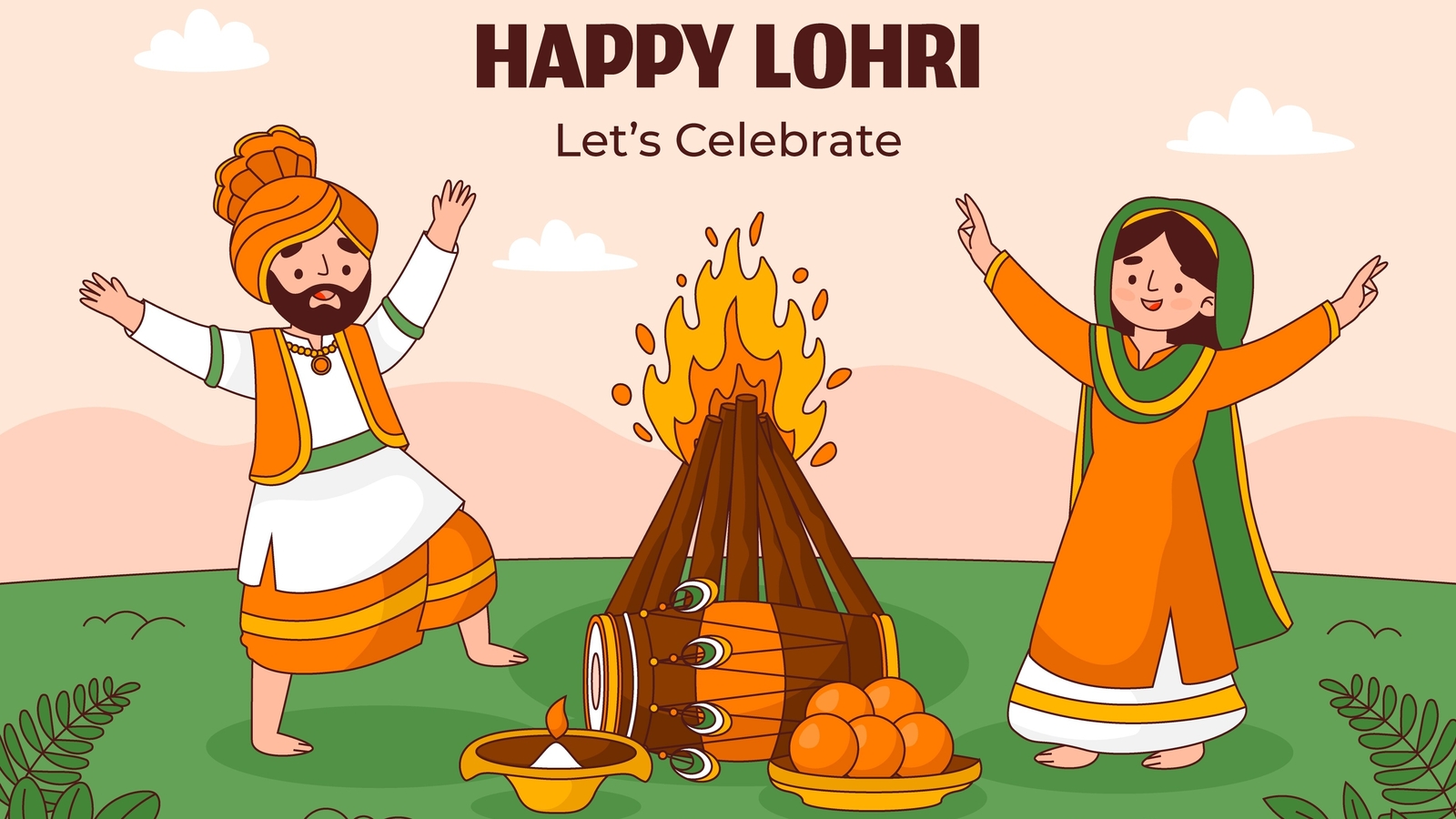
Even in modern times, Lohri remains relevant because it celebrates:
Growth and prosperity
Hard work and patience
Community bonding
Cultural identity
Therefore, Lohri is not just a seasonal festival—it is a celebration of life’s progress.
Conclusion
Lohri festival beautifully blends tradition, culture, and emotion. From glowing bonfires to heartfelt celebrations, Lohri continues to spread warmth, hope, and happiness year after year. As we celebrate Lohri, we celebrate growth—not just of crops, but of relationships, dreams, and new beginnings.
Happy Lohri! May this festival bring warmth, success, and prosperity into your life.
Trending News In Real Estate