Mumbai has taken a groundbreaking step in urban development with the launch of India’s first electronic Transferable Development Rights (e-TDR) platform. This digital initiative is set to redefine how development rights are traded, bringing transparency, efficiency, and accessibility to the real estate ecosystem.
If you are a developer, investor, urban planner, or property owner, this guide will help you understand everything about the new e-TDR system and how it impacts the future of real estate in India.
What is the e-TDR Platform in Mumbai?
The e-TDR platform is a fully digital system launched by the Brihanmumbai Municipal Corporation (BMC) in collaboration with the Maharashtra Urban Development Department. It enables online trading of Transferable Development Rights (TDR) in a structured and transparent way.
This platform allows users to:
Buy and sell development rights online
Track transactions in real-time
Complete deals through a secure digital system
The platform officially became operational on April 15, 2026, marking a major milestone in India’s urban governance.
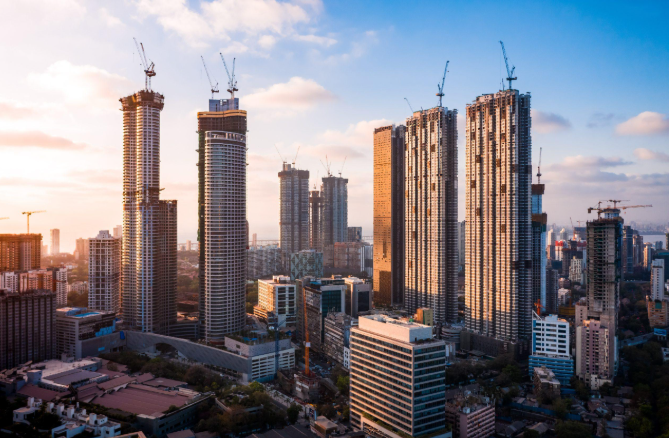
Understanding TDR: The Foundation of the Platform
Before diving deeper, let’s understand Transferable Development Rights (TDR)
TDR is a mechanism used in urban planning where:
Landowners whose land is acquired for public projects (roads, parks, infrastructure)
Are compensated with development rights instead of money
These rights are issued as a Development Rights Certificate (DRC) and can be:
Used for construction
Sold to other developers in the market
This system helps governments acquire land faster while enabling developers to build beyond standard limits using Floor Space Index (FSI) benefits.
How the e-TDR Platform Works
The e-TDR system functions like a digital marketplace for real estate rights. Here’s how it works step-by-step
1. Registration & KYC
Users must register on the platform with proper verification. This ensures only legitimate buyers and sellers participate.
2. Listing of TDR
Sellers can list available development rights on the platform.
3. Bidding & Negotiation
Buyers place bids on listed TDR
Negotiations are still allowed before finalizing deals
4. Digital Transaction
Payment is processed digitally
TDR is transferred to the buyer’s account
5. Contract Note Generation
Each deal generates a legally valid digital contract note, ensuring full transparency and record-keeping
:
Why the e-TDR Platform is a Game Changer
1. Transparency & Trust
Earlier, TDR transactions were often opaque and difficult to track. The new system digitally records every step, reducing ambiguity.
2. Faster Transactions
Manual paperwork and delays are eliminated, making the process quicker and more efficient.
3. Increased Market Participation
The platform opens opportunities for:
Small developers
Individual investors
4. Reduced Fraud & Duplication
TDR cannot be issued twice
Transactions cannot be manipulated
5. Better Urban Planning
Land usage
FSI distribution
Infrastructure development
Mumbai relies heavily on TDR for:
Redevelopment projects
Infrastructure expansion
Managing high population density
With the launch of the e-TDR platform:
Developers can access TDR more easily
Property development becomes more structured
Market efficiency improves significantly
Challenges the Platform Aims to Solve
Before digitisation, the TDR ecosystem faced several issues:
Lack of transparency
Delays in approvals
Difficulty in finding buyers/sellers
Risk of duplication and fraud
The e-TDR system directly addresses these challenges by introducing a centralised digital framework.
Conclusion
The launch of India’s first e-TDR platform in Mumbai is a major leap toward digitizing real estate and urban planning. By combining transparency, speed, and accessibility, the platform transforms how development rights are traded.For developers, investors, and policymakers, this is not just a technological upgrade—it’s a structural reform that could reshape India’s real estate future.
Trending News In Real Estate