A home is not just a physical structure made of walls and rooms. It is a living space that absorbs, reflects, and influences the energy of the people who live in it. If you have ever felt peaceful in one house and restless in another without any clear reason, energy balance is often the missing explanation. This is where Feng Shui comes in.
Feng Shui is becoming increasingly popular in India, especially among apartment owners, urban families, and people living in rented homes who want harmony without structural changes. While Vastu Shastra has always been part of Indian culture, Feng Shui offers a flexible, practical approach that works well with modern Indian lifestyles.
This guide explains what Feng Shui really means, how it works, and how Indian homes can benefit from it.
What Is Feng Shui? Meaning Explained Simply
Feng Shui is an ancient spatial science that focuses on balancing natural energy, known as Chi, within a living or working environment. The term Feng Shui translates to “wind and water,” two elements that represent movement, flow, and nourishment in nature.
The main idea behind Feng Shui is simple:
When energy flows smoothly through a space, it supports health, peace, relationships, and prosperity. When energy is blocked or chaotic, it can create stress, conflict, and stagnation in life.
Rather than being religious or ritual-based, Feng Shui works on observation, balance, and thoughtful placement of objects.
Why Feng Shui Works Well for Indian Homes
Indian homes today are very different from traditional houses. Many people live in apartments with fixed layouts, limited directions, and no scope for reconstruction. Feng Shui is particularly suitable in such cases because it focuses more on interiors, energy flow, and usage of space rather than heavy construction rules.
Feng Shui works effectively for:
Apartments and high-rise flats
Rented homes
Studio apartments and small spaces
Home offices and commercial shops
Another advantage is that Feng Shui does not contradict Indian culture. In fact, its principles are closely aligned with natural balance, just like Vastu Shastra.
Core Principles of Feng Shui in Detail
1. Chi: The Life Energy of a Home
Chi is the invisible energy that flows through every space. In a home with good Feng Shui, Chi moves gently and evenly. In a poorly planned home, Chi becomes stagnant or aggressive.
Blocked Chi is usually caused by:
Excessive clutter
Dark corners and poor lighting
Broken furniture or unused items
Free-flowing Chi is encouraged through:
Open pathways
Natural light and ventilation
Clean, organized spaces
2. Yin and Yang Balance
Feng Shui emphasizes balance between two opposite but complementary forces.
Yin energy represents calmness, rest, and relaxation.
Yang energy represents activity, brightness, and movement.
Indian homes should ideally maintain:
Yin-dominant bedrooms for better sleep
Yang-dominant living rooms and kitchens for social interaction
Too much Yin can make a house dull, while excess Yang can create restlessness.
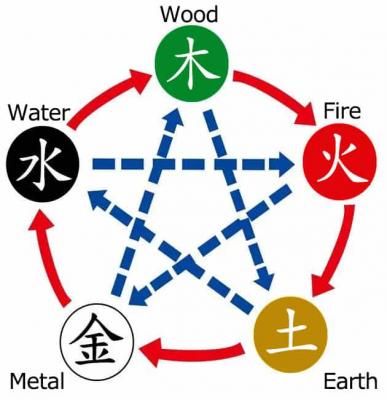
3. The Five Elements of Feng Shui
Feng Shui is deeply connected to five natural elements. Each element affects different aspects of life.
Wood – Growth, health, family
Fire – Confidence, recognition, motivation
Earth – Stability, grounding, relationships
Metal – Focus, logic, clarity
Water – Wealth, career, opportunities
A balanced home uses all five elements in moderation. For example, Indian homes with excessive fire elements in kitchens may need earth or water elements to balance heat and aggression.
4. Bagua Map and Energy Areas
The Bagua Map is a Feng Shui tool that divides a home into different life areas such as wealth, health, career, relationships, and knowledge. Each area can be strengthened using colors, materials, lighting, and furniture placement.
The best part is that Bagua-based Feng Shui corrections do not require breaking walls or changing the structure, making it ideal for flats.
Feng Shui vs Vastu Shastra for Indian Homes
While both Feng Shui and Vastu aim to create harmony, their approaches differ.
Feng Shui focuses on energy flow, interior arrangement, and flexibility.
Vastu focuses more on directions, geometry, and construction planning.
For Indian homes:
Vastu works best at the construction stage
Feng Shui works best after possession or in rented properties
Many homeowners successfully combine both for better results.
Key Benefits of Feng Shui for Indian Homes
1. Improved Mental Peace and Emotional Balance
A Feng Shui-aligned home feels lighter and calmer. Balanced lighting, open spaces, and clutter-free zones reduce stress and improve emotional well-being, especially important in busy urban lifestyles.
2. Better Financial Stability
Feng Shui does not promise instant wealth, but it supports healthy financial habits and opportunities. Clean entrances, proper water balance, and organized storage are believed to prevent money-related blockages.
3. Healthier Sleep and Physical Well-Being
Bedroom Feng Shui plays a major role in sleep quality. Correct bed placement, minimal electronics, and calming colors help improve rest and recovery.
4. Stronger Relationships and Family Harmony
Balanced spaces encourage better communication and emotional connection among family members. Feng Shui is often used to improve marital harmony and reduce frequent arguments.
5. Increased Focus and Career Growth
With work-from-home becoming common in India, Feng Shui helps in designing productive home offices through desk placement, lighting, and directional support.
Simple Feng Shui Tips for Indian Homes
Keep the main entrance clean, bright, and obstruction-free
Avoid storing unused items under the bed
Repair leaking taps immediately
Use indoor plants to refresh energy
Allow natural light and air circulation
These small changes often create noticeable improvements without major expense.
Common Feng Shui Misconceptions
Many people believe Feng Shui requires expensive crystals or decorative items. In reality, Feng Shui starts with cleanliness, awareness, and intentional arrangement. Another myth is that Feng Shui conflicts with Indian beliefs, which is not true. It is a practical system that works alongside Indian traditions.
Final Thoughts
Feng Shui is not about superstition or blind belief. It is about understanding how spaces influence human behavior, emotions, and comfort. For Indian homes, especially modern apartments, Feng Shui offers a simple and flexible way to improve quality of life without renovation or heavy rules.
By making mindful changes, your home can become a place that truly supports peace, stability, and growth.
Trending News In Real Estate